
Acting Associate's Degree: 2-Year In-Person at Atlantic
The Acting Associate's degree, usually 2 years in-person at Atlantic Acting School, offers conservatory training and a credential in a focused format.

By Stacy Harper
What if you could train as a professional actor in the heart of New York City, not in a four-year conservatory, but in a focused two-year program that puts you on stage from the very first week? The Acting Associate's degree, usually 2 years In-person at Atlantic Acting School, offers exactly that: an intensive, conservatory-style path for performers who want rigorous, practical training without the time and cost of a bachelor's degree. Atlantic Acting School, founded by David Mamet and William H. Macy, has built a reputation for its Practical Aesthetics technique, a down-to-earth approach to script analysis and performance that emphasizes truthful action over emotional indulgence. For students weighing their options, this program represents a distinctive blend of academic credential and professional studio work.
This article explores every facet of the degree: what the curriculum covers, who it suits, how admissions work, what it costs, and how it compares to other paths. Whether you are a high school graduate, a career changer, or an experienced performer seeking formal credentials, understanding the structure and outcomes of this program will help you decide if it fits your goals. We will also look at how flexible education research platforms can help you compare programs and request information from schools that match your ambitions.
Before diving into specifics, it helps to understand the landscape of acting training in the United States. Aspiring actors typically choose among three routes: a traditional bachelor's degree in theater, a conservatory certificate or two-year program, or private studio classes. The Atlantic program sits at a valuable intersection, offering an accredited associate degree while maintaining the immersive, studio-based culture of a conservatory. That combination can be powerful for students who want both a recognized credential and serious craft training.
What Is the Atlantic Acting School Associate's Degree?
The Acting Associate's degree at Atlantic Acting School is a two-year, in-person program that immerses students in the craft of acting through a structured sequence of studio classes, performances, and academic coursework. The school operates in New York City, giving students access to a vibrant theater community, industry professionals, and countless opportunities to see and participate in live performance. The degree is designed to be completed in two years of full-time study, making it a faster and often more affordable alternative to a four-year BFA.
At the core of the program is the Practical Aesthetics technique, developed by Mamet and Macy. This approach asks actors to analyze scripts for literal action, identify what a character is doing to get what they want, and then translate that into vivid, repeatable performance choices. Rather than relying on emotional memory or personal psychology, Practical Aesthetics emphasizes imagination, will, and the actor's connection to the text. Students learn to break down scenes methodically and to perform with clarity and intention.
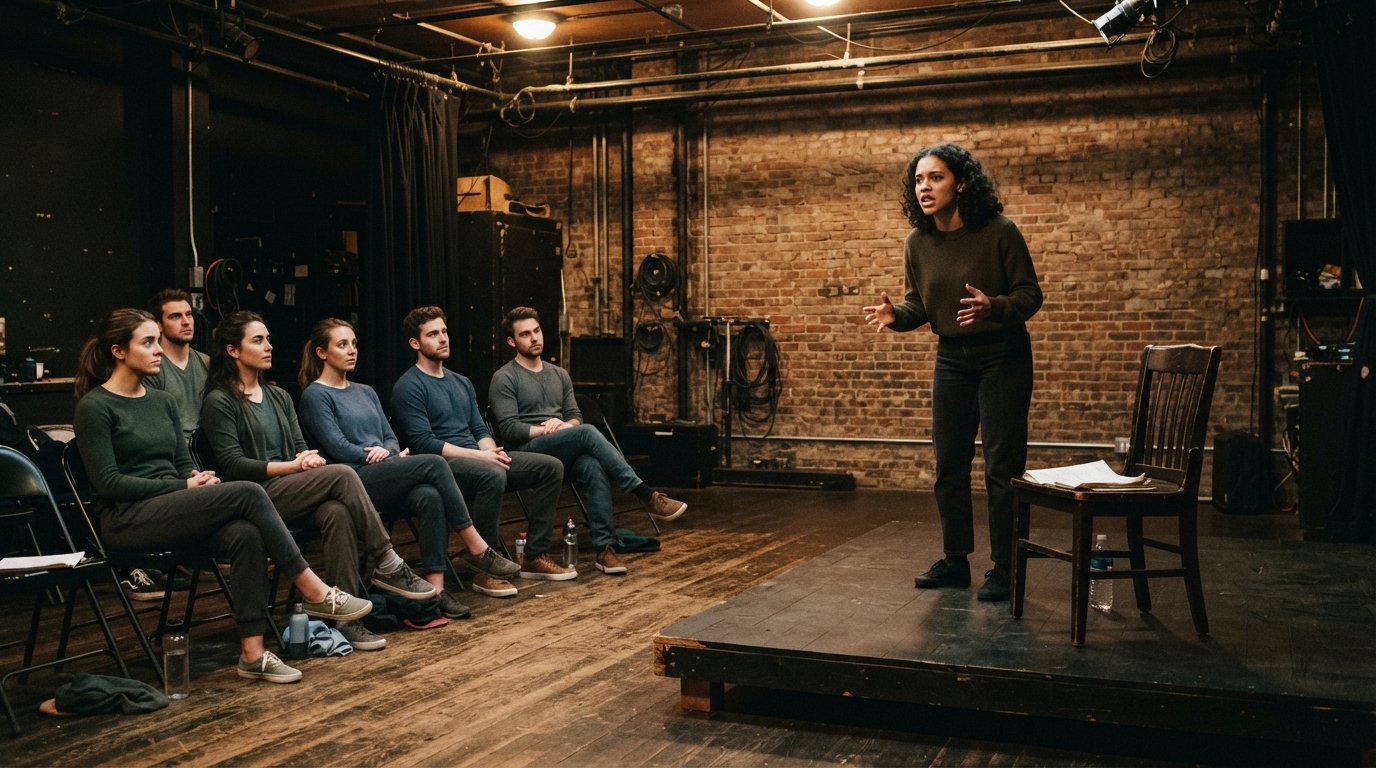
The curriculum typically includes acting technique, voice and speech, movement (including Alexander Technique or similar body work), script analysis, improvisation, and performance projects. Academic components may include theater history, dramatic literature, and professional development. Small class sizes and frequent performance opportunities mean students receive individualized feedback and ample stage time. The in-person format is essential: acting is a collaborative, embodied art, and learning alongside peers in a studio setting builds the discipline, empathy, and responsiveness that professional work demands.
One of the program's strengths is its integration into the New York theater ecosystem. Students may have opportunities to attend professional productions, network with alumni and guest artists, and participate in showcase events for agents and casting directors. While no program can guarantee employment, the school's industry connections and reputation can provide a meaningful head start.
Who Should Consider This Program?
This degree is ideal for students who are serious about acting as a profession or a lifelong pursuit but who may not want to commit to a four-year college. High school graduates who have discovered a passion for performance can enter the workforce or continue training sooner. Career changers who already hold a degree in another field may find the two-year format more practical than returning for a second bachelor's. Working actors who want formal training and a credential can benefit from the structured curriculum and the credibility an associate degree provides.
However, the program is not for everyone. It demands a high level of commitment, discipline, and openness to feedback. Students should be prepared for long days of classes, rehearsals, and independent preparation. The in-person requirement means relocating to New York City or commuting, which adds living costs to the equation. Prospective students should carefully assess their financial situation, support systems, and career goals before enrolling.
It is also worth noting that an associate degree is a terminal degree for some, but it can serve as a stepping stone. Some graduates transfer credits to a bachelor's program, while others go directly into auditions, internships, or self-produced work. The program's focus on practical skills makes it well-suited to students who learn by doing and who thrive in collaborative environments.
Admissions and Application Process
Admission to the Atlantic Acting School associate degree program typically involves an application, a personal statement, letters of recommendation, and an audition. The audition is a central component: applicants usually prepare two contrasting monologues and may participate in a group workshop or interview. The school looks for potential, commitment, and receptiveness to training rather than polished perfection. Prior experience is helpful but not always required; many successful applicants have participated in high school theater, community theater, or independent study.
International students should check specific requirements, including English proficiency tests and visa documentation. Deadlines vary, so prospective applicants should consult the school's website or admissions office for the most current information. Preparing for the audition is itself a valuable learning experience: selecting material that showcases range, working with a coach, and practicing cold reads can strengthen both the application and the applicant's skills.
Because the program is in-person and cohort-based, early application is encouraged. Financial aid, scholarships, and payment plans may be available; applicants should ask directly about options. It is also wise to visit the campus, attend an information session, or speak with current students and alumni to get a feel for the culture and expectations.
Curriculum and Practical Aesthetics
The curriculum is built around the Practical Aesthetics technique, which breaks acting into a repeatable process. Students learn to analyze a script by identifying the literal action (what the character is doing), the essential action (the character's overarching goal in the scene), and the actor's as-if (a personal, imaginative substitution that makes the stakes real). This framework helps actors stay present, responsive, and connected to their scene partners.
Technique classes are supplemented by voice and speech work, which addresses breath support, resonance, articulation, and dialects. Movement training develops physical awareness, flexibility, and expressiveness; approaches may include Alexander Technique, Laban, or Viewpoints. Improvisation builds spontaneity and listening skills, while scene study applies technique to dramatic and comedic texts. Performance projects throughout the two years give students regular opportunities to apply what they have learned in front of an audience.
Academic coursework provides context and professional preparation. Theater history and dramatic literature deepen understanding of the canon and its cultural contexts. Professional development may cover audition technique, headshots and resumes, networking, and the business side of acting. The balance between studio and academic work ensures that graduates leave with both practical skills and a broader perspective on the art form.
Assessment is typically continuous, based on class participation, performance evaluations, and projects. Students receive feedback from faculty, many of whom are working professionals. The small cohort model fosters close relationships and a supportive yet challenging environment.
Costs, Financial Aid, and Value
Tuition for the two-year program is a significant investment, and costs vary by year and enrollment status. Prospective students should budget not only for tuition but also for living expenses in New York City, which are among the highest in the country. Housing, transportation, meals, and materials add to the total. However, the two-year format can be less expensive overall than a four-year degree, and graduates enter the workforce or pursue further training sooner.
Financial aid options may include scholarships, grants, federal student loans (for eligible programs), and payment plans. The school's financial aid office can provide details on eligibility and application procedures. Students should also explore external scholarships for acting and the arts, as well as state and local programs. It is essential to read all loan documents carefully and to understand repayment obligations.
When evaluating value, consider both tangible and intangible returns. Tangible returns include the credential itself, which can qualify graduates for teaching positions, further study, and certain day jobs in the industry. Intangible returns include the network, the training, and the confidence that comes from two years of intensive practice. Many graduates report that the discipline and collaborative skills they developed serve them in a wide range of careers, from performance to education to arts administration.
Prospective students often compare programs using online resources. Platforms such as Delgado Online Business Administration Associate Degree guides illustrate how associate degrees in other fields are structured, which can help you contextualize the time and cost commitments of a two-year program. Similarly, education matching services can help you explore a range of options and request information from schools without obligation.
Career Outcomes and Industry Connections
Graduates of the Atlantic Acting School associate degree program pursue a variety of paths. Some continue training in bachelor's or conservatory programs; others begin auditioning for theater, film, television, and commercial work. The school's New York location and alumni network can provide introductions, mentorship, and showcase opportunities. While success in acting is never guaranteed, the program's emphasis on professional readiness and its reputation within the industry can improve a graduate's chances.
Beyond performance, the degree can lead to roles in arts education, community theater management, casting assistance, and production. The communication, collaboration, and creative problem-solving skills developed in the program are transferable to many fields. Some graduates combine acting with teaching or arts administration to build sustainable careers.
It is important to approach career planning realistically. Acting is a competitive field, and most professionals supplement performance income with other work. The program's professional development components aim to prepare students for this reality by covering topics such as self-promotion, auditions, and financial planning. Alumni networks and industry events can also provide ongoing support.
Comparing Acting Training Options
When deciding on an acting program, students should compare several factors: curriculum, faculty, location, cost, duration, and outcomes. The Atlantic associate degree offers a two-year, in-person, conservatory-style experience with a specific technique at its core. A four-year BFA provides more general education and potentially more performance opportunities but requires a longer commitment. Private studio classes can be flexible and affordable but may not lead to a credential.
Students should also consider the importance of accreditation and transferability. An accredited associate degree may allow credits to transfer to a bachelor's program, preserving options for future study. The in-person format at Atlantic is a strength for actors who need embodied, collaborative training, but it also limits flexibility for students who cannot relocate. Online or hybrid options exist in other fields, but acting training is inherently interpersonal and benefits from live rehearsal and performance.
Financial considerations should include not only tuition but also the opportunity cost of two years of study. Some students may choose to work part-time while enrolled, though the intensity of the program may limit outside employment. Prospective students should create a budget and explore all funding sources before committing.
How to Prepare for Enrollment
Preparation begins well before the application. Building a foundation in acting through classes, workshops, or community theater can strengthen an application and clarify goals. Reading plays, watching performances critically, and practicing monologues are valuable habits. Applicants should also research the Practical Aesthetics technique and the school's philosophy to ensure alignment.
During the application process, organization and deadlines matter. Prepare your materials early, rehearse your audition pieces with a coach or mentor, and practice interviewing. If possible, visit the school and speak with current students. Financial planning should begin in parallel: gather information on tuition, fees, living costs, and aid options. International students should allow extra time for visa processing.
Once enrolled, success depends on engagement, openness, and discipline. Students should take advantage of faculty office hours, performance opportunities, and networking events. Building relationships with peers and professionals can lead to collaborations and opportunities long after graduation. Keeping a journal of class notes, feedback, and goals can support continuous improvement.
Is the Atlantic Associate's Degree Right for You?
Deciding on an acting program is a personal choice that depends on your goals, resources, and learning style. The Acting Associate's degree, usually 2 years In-person at Atlantic Acting School, is a strong option for students who want intensive, practical training in a professional city, a recognized credential, and a clear technique to anchor their work. It is less suitable for those who need flexible scheduling, cannot relocate, or prefer a broad liberal arts education.
Prospective students should weigh the program's strengths against its costs and constraints. Speaking with alumni, visiting classes, and researching outcomes can provide clarity. It is also wise to explore multiple programs and to use resources that help compare options, such as education matching services that connect students with schools and allow them to request information without obligation. One such resource is HigherEducationAdvisor, which helps prospective students compare sponsored online and on-campus degree and certificate programs.
Ultimately, the best program is the one that aligns with your artistic goals, financial situation, and personal circumstances. The Atlantic associate degree offers a rigorous, immersive path for those ready to commit to the craft. With careful planning and realistic expectations, it can be a transformative step in an acting career.