
Cardiovascular Tech Certificate in Under 12 Weeks
The Cardiovascular Technology/Technologist Certificate, less than 12 weeks In-person at American Safety Programs and Training delivers fast, hands-on cardiac training and a clear path to a degree.

By Stacy Harper
A cardiovascular technology certificate that takes less than 12 weeks to complete in person sounds almost too efficient to be real, especially in a healthcare field known for lengthy training pipelines. Yet for career changers, recent graduates, and working adults who need a fast on-ramp into the medical workforce, short-format certificate programs have become one of the most practical entry points available. The Cardiovascular Technology/Technologist Certificate, less than 12 weeks In-person at American Safety Programs and Training sits precisely in that niche: an accelerated, hands-on credential designed for people who want clinical exposure and a recognized training record without committing years to a degree.
This article breaks down what that certificate involves, who it suits, how it compares with longer cardiovascular technologist pathways, and how to decide whether it fits your career plan. It also explains how to pair a fast certificate with further education down the road, including how a college matching service can help you compare sponsored degree programs if you later decide to pursue an associate or bachelor's degree.
What a Cardiovascular Technology Certificate Covers
Cardiovascular technology is the broad field concerned with diagnosing and treating heart and blood vessel conditions using specialized equipment. Technologists and technicians support physicians during procedures such as echocardiograms, stress tests, cardiac catheterizations, and vascular studies. A certificate program compresses the foundational knowledge and practical skills of that field into a focused block of instruction rather than spreading it across two or more years of general education.
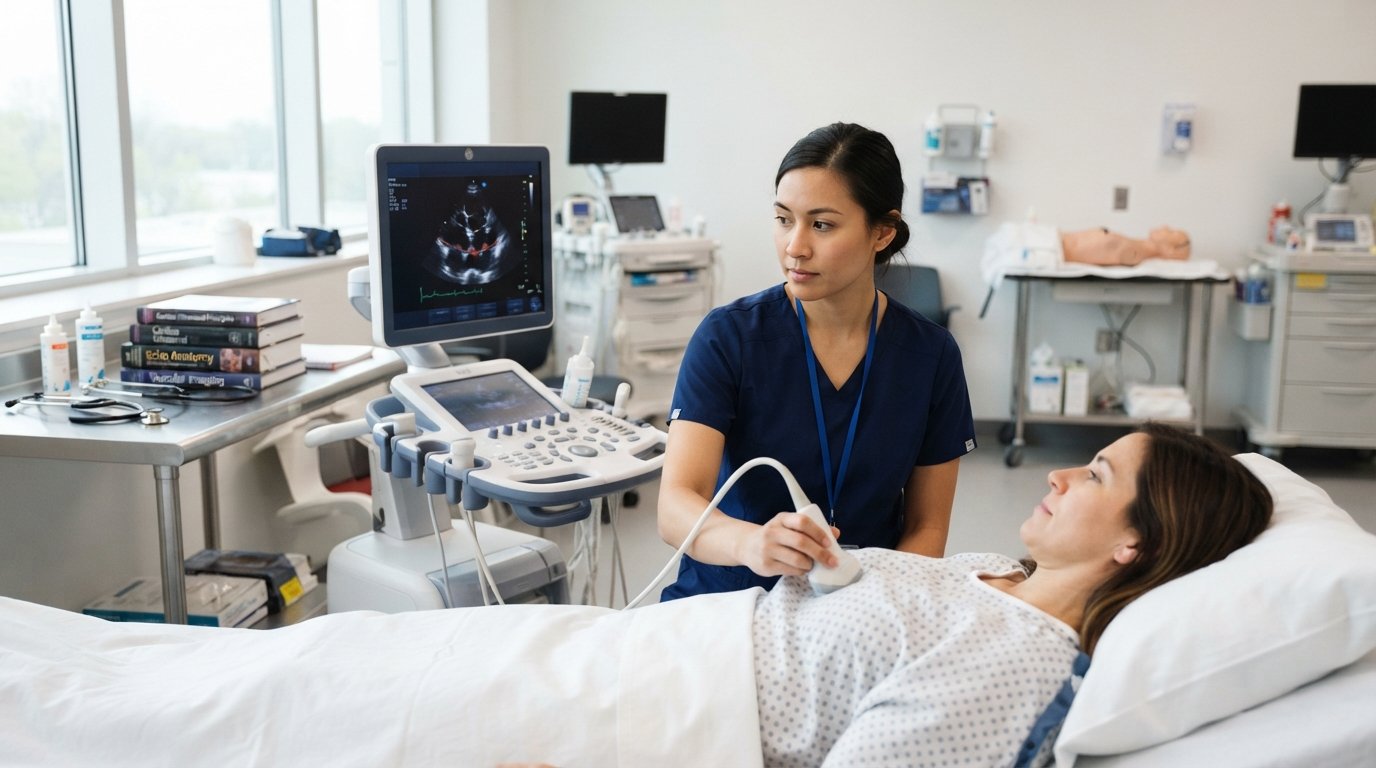
At American Safety Programs and Training, the cardiovascular technology certificate is delivered entirely in person and finishes in under 12 weeks, which places it among the fastest structured pathways into cardiovascular support roles. The in-person format matters because this field is hands-on: learners need supervised repetition with equipment, patient positioning, and documentation practices. A short program cannot cover everything a full associate degree covers, but it can deliver a concentrated introduction to the anatomy, terminology, and technical routines that employers and educators expect at the entry level.
Typical subject matter in this kind of certificate includes cardiac anatomy and physiology, medical terminology, electrocardiography basics, patient preparation and safety, infection control, and professional communication in clinical settings. Students also practice the workflow habits that matter on the job: verifying patient identity, explaining procedures, recording accurate data, and recognizing when to escalate a concern to a supervising clinician. These are the same foundational competencies that longer programs build on, which is why a short certificate can function as either a standalone credential or a stepping stone.
Because the program runs fewer than 12 weeks, scheduling is intense. Expect daily or near-daily attendance, a mix of lecture and lab time, and assessments that come quickly. That intensity is a feature, not a flaw, for learners who thrive in immersive environments and want to reach a milestone fast.
Who Should Consider This Fast In-Person Certificate
Not every learner needs a multi-year degree to move forward. Some need a credible, efficient first step. The Cardiovascular Technology/Technologist Certificate, less than 12 weeks In-person at American Safety Programs and Training is built for several distinct groups, and recognizing yourself in one of them is the fastest way to judge fit.
- Career changers who want to test their interest in cardiac care before investing in a degree
- Certified nursing assistants, medical assistants, and patient care technicians who want to specialize
- Recent high school graduates exploring allied health before committing to a college major
- Working adults who need a short, fixed timeline rather than an open-ended program
- Students preparing to stack this certificate into a larger cardiovascular technology degree later
Each of these groups shares a common trait: they value speed and structure. A career changer gets a realistic preview of clinical work in about three months. An existing healthcare worker adds a cardiac-specific skill set without pausing their income for years. A new graduate gains a resume line and hands-on exposure while still deciding on a long-term major.
There are also people for whom this program is not the right fit. If your goal is to perform independent diagnostic testing, sit for advanced national registry exams, or work in a cath lab at the highest credential level, you will eventually need a formal degree, often an associate or bachelor's in cardiovascular technology, plus clinical hours and registry eligibility. A short certificate is a launch point, not a finish line. The smartest approach is to treat it as the first phase of a longer plan, then use resources like a college matching platform to line up the degree program that comes next.
How the Program Fits Into a Longer Career Path
One of the most useful ways to think about a sub-12-week certificate is as a stacking credential. Instead of choosing between fast training and a degree, you sequence them. Phase one is the certificate: get in, learn the fundamentals, gain in-person lab exposure, and confirm this is the field for you. Phase two is the degree: enroll in an associate or bachelor's program in cardiovascular technology, diagnostic medical sonography, or a related allied health discipline, often with the option to transfer credits or apply prior learning.
That sequencing has real advantages. You earn a credential early, which can help you land a technician-level role or a patient-facing position that strengthens your application to a degree program. You also reduce the risk of spending two years and significant tuition on a field you end up disliking. For adult learners especially, this staged approach keeps momentum high while keeping financial exposure low at the start.
If you do decide to continue into a degree, comparing programs carefully matters. Tuition, clinical placement support, accreditation, and format (online coursework with in-person clinicals versus fully campus-based) vary widely. Platforms that match prospective students with sponsored online and campus degree programs can simplify that research by letting you browse by subject or by state, review school profiles, and request information directly, with no obligation to apply or enroll. For a closer look at how short healthcare certificates and college pathways can work together, our guide on the 12-week pharmacy certificate pathway shows how another fast credential fits into a larger educational plan.
Another option is to use a college matching site to explore degree programs before you even finish the certificate. Sites such as TopStudents let prospective students browse online and on-campus programs by subject or state, compare sponsored school listings, and request information from schools that fit their goals. That kind of early research means you can finish your short certificate already knowing where your next credential will come from.
Comparing Short Certificates With Traditional Degree Programs
The cardiovascular field includes a spectrum of roles, and the credential you hold shapes which roles you can pursue. Understanding the difference between a certificate and a degree prevents mismatched expectations on both sides of the job search.
A certificate program, particularly one under 12 weeks, focuses on entry-level competencies and foundational knowledge. It is fast, relatively low-cost, and highly structured. A degree program, by contrast, typically spans two to four years, includes general education requirements, and prepares graduates for advanced technical responsibilities, registry examinations, and supervisory or specialized roles. Employers hiring for technologist positions often prefer or require the degree plus registry credentials, while technician and support roles may be more accessible to certificate holders.
The table below summarizes the practical differences so you can see the trade-offs at a glance.
- Time to completion: Under 12 weeks for the certificate versus roughly 2 to 4 years for a degree
- Depth of training: Foundational skills and lab exposure versus comprehensive clinical and didactic training
- Typical roles: Entry-level technician or support positions versus technologist and specialized roles
- Registry eligibility: Usually requires additional education and clinical hours versus built into accredited degree programs
- Best use case: Fast entry, career exploration, and stacking versus full professional preparation
Neither path is universally better. The right choice depends on your timeline, budget, prior education, and long-term goals. What matters is choosing deliberately, and a short in-person certificate is often the most sensible first move for someone who is not yet certain about the full commitment.
What to Expect During the Under-12-Week Program
Knowing the rhythm of the program in advance helps you prepare mentally and logistically. Because the Cardiovascular Technology/Technologist Certificate, less than 12 weeks In-person at American Safety Programs and Training compresses a lot of material into a short window, the day-to-day experience is active and demanding.
Instruction typically blends classroom sessions with hands-on lab practice. Mornings might cover cardiac anatomy, terminology, and procedure theory, while afternoons involve equipment demonstrations, simulated patient scenarios, and skills check-offs. Assessment is frequent: quizzes, practical evaluations, and a final competency review. Attendance policies tend to be strict because missed sessions are hard to make up in an accelerated format.
Outside of class, expect to review material daily. The volume of new terminology and concepts is significant, and students who treat the program like a full-time commitment tend to perform best. If you are working while enrolled, choose a cohort schedule that leaves adequate study time, and confirm the program's expectations around absences and make-up work before you register.
By the end, you should be able to describe cardiac anatomy in professional terms, explain common diagnostic procedures, operate basic monitoring and recording equipment under supervision, and communicate with patients clearly and compassionately. Those outcomes are what make the certificate useful as both a standalone resume credential and a foundation for further study.
Career Outlook and Next Steps After Completion
Demand for cardiovascular services continues to grow as populations age and chronic heart conditions become more common. That demand supports a range of roles, from entry-level technician positions in clinics and hospitals to advanced technologist roles that require degrees and registry credentials. A short certificate positions you at the entry point of that ladder, giving you a realistic view of the field and a credential that signals commitment to employers and admissions committees alike.
After completing the certificate, you have three broad options. You can enter the workforce in a support or technician capacity and build experience. You can continue directly into a degree program and aim for technologist-level roles and registry eligibility. Or you can do both: work part-time in a clinical setting while studying, which strengthens your applications and your practical skills simultaneously. Many students find that the certificate gives them the confidence and vocabulary to succeed in a degree program they might otherwise have found intimidating.
Whichever route you choose, keep the long view in mind. A sub-12-week certificate is a starting block, not a ceiling. Combined with a degree, clinical hours, and registry credentials, it becomes the first chapter of a durable healthcare career. And if you are still weighing options across fields, comparing sponsored programs by subject and state through a matching service can help you see the full landscape before you commit.
The Cardiovascular Technology/Technologist Certificate, less than 12 weeks In-person at American Safety Programs and Training offers a rare combination: speed, hands-on training, and a clear pathway into one of healthcare's most essential specialties. For learners who need to move quickly without sacrificing structure, it is a smart, low-risk way to begin.