
Exercise Physiology and Kinesiology Bachelor's Degree: Ashland University
Explore the Exercise Physiology and Kinesiology Bachelor's degree at Ashland University, a 4-year in-person program with hands-on labs and strong career outcomes.

By Frank DeCicco
Choosing a degree that blends science, healthcare, and a passion for movement can feel overwhelming. You want a career that makes a real difference, but you also need a program that offers hands-on experience and a clear path after graduation. The Exercise Physiology and Kinesiology Bachelor's degree, usually 4 years In-person at Ashland University, offers exactly that: a rigorous, lab-intensive curriculum designed to prepare you for clinical, corporate, or graduate school settings. This article breaks down what makes this program unique, what you will study, and how it can launch your career in health and human performance.
Why Ashland University for Exercise Physiology and Kinesiology?
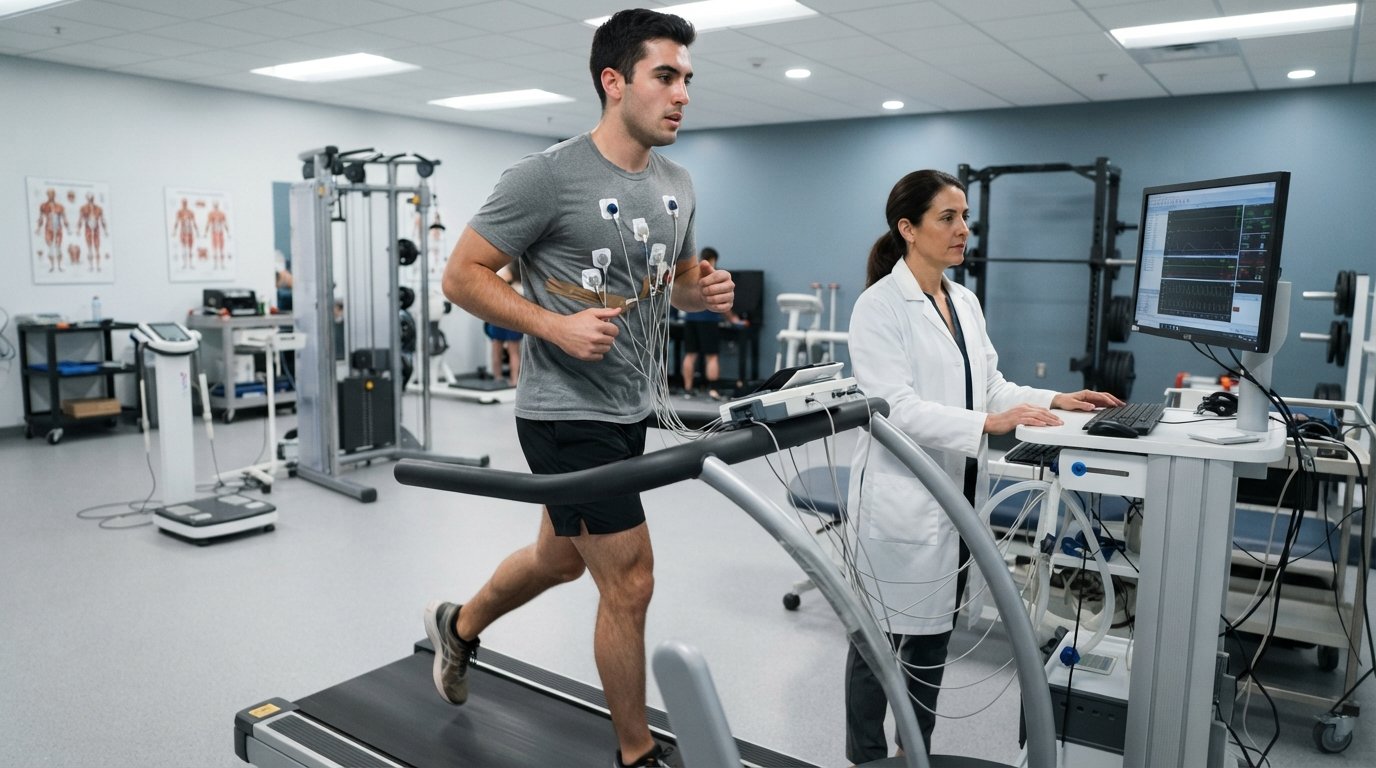
Ashland University, located in north-central Ohio, has built a strong reputation for its pre-health and human performance programs. The Exercise Physiology and Kinesiology Bachelor's degree, usually 4 years In-person at Ashland University, stands out because it is not just a theoretical overview; it is an applied science program. From your first year, you are not just memorizing textbook terms. You are learning how to use metabolic carts, measure body composition, conduct EKGs, and design fitness assessments. This emphasis on practical skill development is a major reason why Ashland graduates are well-prepared for certification exams and job placements.
The program is housed within the Department of Sport Sciences, which provides access to modern laboratories equipped with treadmills, resistance training equipment, and physiological monitoring tools. Small class sizes mean you are not just a number. Professors know your name, your career goals, and your strengths. They mentor you through research projects, internship applications, and graduate school preparations. If you are looking for a program that offers personal attention and a strong scientific foundation, this is a compelling option.
Core Curriculum and Learning Outcomes
What exactly will you study? The curriculum is structured to build from foundational sciences to advanced, specialized topics. The first two years typically focus on human anatomy and physiology, chemistry, physics, and introductory kinesiology. These courses provide the essential groundwork for understanding how the body responds to exercise and movement.
In your junior and senior years, you dive deeper into areas such as exercise physiology, biomechanics, motor learning, and exercise testing and prescription. You will learn to assess cardiovascular fitness, muscular strength, and flexibility. You will also study the pathophysiology of chronic diseases like diabetes and heart disease, and how exercise can be used as a prevention and treatment tool. This clinical perspective is what sets an exercise physiologist apart from a general personal trainer.
Hands-On Laboratory Experience
A significant portion of your coursework will take place in the lab. This is where you apply what you have learned in lectures. For example, in an exercise physiology lab, you might measure a classmate's VO2 max using a metabolic cart, or you might analyze gait patterns in a biomechanics lab. These experiences are not just for grades; they build your confidence and competence. By the time you graduate, you will have a portfolio of practical skills that you can discuss in job interviews.
Research and Capstone Opportunities
Many students choose to participate in faculty-led research projects. This is an excellent way to deepen your understanding of a specific area, such as sports nutrition, cardiac rehabilitation, or pediatric exercise. You might present your findings at regional or national conferences, which is a significant resume booster. The program also includes a capstone course, where you synthesize your knowledge and complete a comprehensive project or literature review.
Career Paths and Further Education
One of the most common questions is, "What can I do with this degree?" The answer is quite broad. An Exercise Physiology and Kinesiology Bachelor's degree, usually 4 years In-person at Ashland University, opens doors to several rewarding career paths. You could work in hospital-based cardiac rehabilitation programs, helping patients recover after a heart attack or surgery. You could become a clinical exercise physiologist, working alongside physicians to provide exercise testing and prescriptions for individuals with chronic conditions.
Another popular route is corporate wellness or community health. Companies hire exercise physiologists to design and manage employee fitness programs, with the goal of reducing healthcare costs and improving productivity. You could also work in athletic performance, training athletes from high school to professional levels. The degree is also a stepping stone for advanced education. Many graduates go on to pursue master's or doctoral degrees in physical therapy, occupational therapy, physician assistant studies, or exercise physiology itself.
Certification and Job Outlook
Graduates are well-positioned to sit for certification exams, such as the American College of Sports Medicine (ACSM) Certified Exercise Physiologist. This certification is widely recognized and often required by employers in clinical settings. According to the U.S. Bureau of Labor Statistics, the demand for exercise physiologists is projected to grow much faster than average, driven by an aging population and a greater focus on preventive healthcare. This means your skills will be in demand for years to come.
Admissions and Program Requirements
Getting into the program is the first step. Ashland University has a rolling admissions process, but it is wise to apply early. For first-year students, a solid high school GPA and competitive SAT or ACT scores are important. Transfer students are also welcome, and the university works to make the credit transfer process as smooth as possible. Once enrolled, you will need to maintain a minimum GPA to stay in the program, and you will be required to complete a professional internship before graduation.
Here are some key points to consider as you prepare your application:
- Prerequisite courses: High school biology and chemistry are strongly recommended. You will need to complete college-level anatomy and physiology, which are foundational for upper-level kinesiology courses.
- Professional internship: A 12-credit internship is required, giving you 300-400 hours of real-world experience in a setting like a hospital, fitness center, or research lab.
- Certification preparation: The curriculum is designed to align with ACSM exam content, so you will be well-prepared to earn your certification shortly after graduation.
These requirements ensure that you graduate with not just theoretical knowledge, but with proven, applied skills that employers trust.
Student Life and Campus Resources
Ashland University offers a supportive campus community. As an exercise physiology and kinesiology major, you will find plenty of opportunities to get involved outside the classroom. You can join the Pre-Health Club, participate in intramural sports, or work as a student assistant in the human performance lab. These activities help you build a professional network and make lasting friendships.
The university also has strong academic support services, including tutoring, writing centers, and career counseling. The Career Services office can help you refine your resume, practice for interviews, and connect with alumni who are working in your field. This comprehensive support system is a hallmark of the Ashland experience.
Comparing Ashland to Other Programs
When you are researching different schools, you will find that not all kinesiology programs are created equal. Some are heavily focused on physical education or sports management, while others are more research-oriented. Ashland's program is distinctly applied and clinical. It is designed for students who want to work directly with people in healthcare or fitness settings. This focus is reinforced by the faculty's expertise and the quality of the facilities.
Another advantage is the program's length and format. The Exercise Physiology and Kinesiology Bachelor's degree, usually 4 years In-person at Ashland University, allows for deep immersion in the subject. The in-person format is particularly valuable because it provides direct access to laboratory equipment and one-on-one mentorship. You simply cannot replicate the experience of palpating a pulse, reading an EKG, or calibrating a metabolic cart through an online course. If you are a hands-on learner who thrives in a collaborative environment, this is the right choice.
Financial Aid and Scholarships
Paying for college is a concern for many families. Ashland University offers a variety of merit-based scholarships and need-based financial aid packages. Many students in the sport sciences department receive scholarships based on their academic performance or involvement in high school athletics. It is important to complete the Free Application for Federal Student Aid (FAFSA) to determine your eligibility for federal loans, grants, and work-study programs.
The university also participates in state and federal aid programs. Be sure to contact the financial aid office early to explore all your options. They are there to help you find a way to make your education affordable. You can also consider becoming a resident assistant or working in the campus recreation center to help offset costs.
How to Learn More and Take the Next Step
If you are ready to explore this path further, the next step is to visit campus and see the facilities for yourself. Schedule a tour through the admissions office, sit in on a class, and talk to current students and professors. They can give you an authentic sense of what the program is like. You can also request more information online from various college matching services to compare programs and see what fits your goals best. For instance, TopStudents is a helpful resource for exploring different degree options and connecting with schools that match your interests.
Remember, choosing a major is a significant decision. Take the time to research, ask questions, and imagine yourself in the role of an exercise physiologist. The Exercise Physiology and Kinesiology Bachelor's degree, usually 4 years In-person at Ashland University, offers a solid foundation for a fulfilling career helping others improve their health and quality of life. With its strong curriculum, dedicated faculty, and excellent facilities, Ashland can be the launchpad for your professional journey.
The field of exercise science is growing, and the need for qualified professionals has never been greater. By choosing this degree, you are investing in a future that is both personally rewarding and professionally secure. Whether you see yourself in a hospital, a gym, a research lab, or a corporate office, the skills you gain here will serve you for a lifetime. Take the first step today and see where this path can lead you.